Barndominium Planning Guide
Why This Decision Matters Early
When you're planning a barndominium — whether it's a 1,500 sq ft starter home or a 4,000 sq ft dream build on rural Texas acreage — one of the first creative decisions you'll face is where to focus your visualization energy.
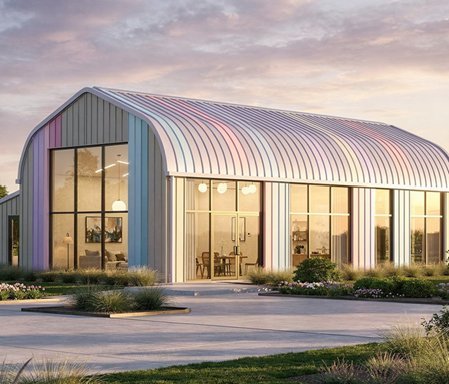
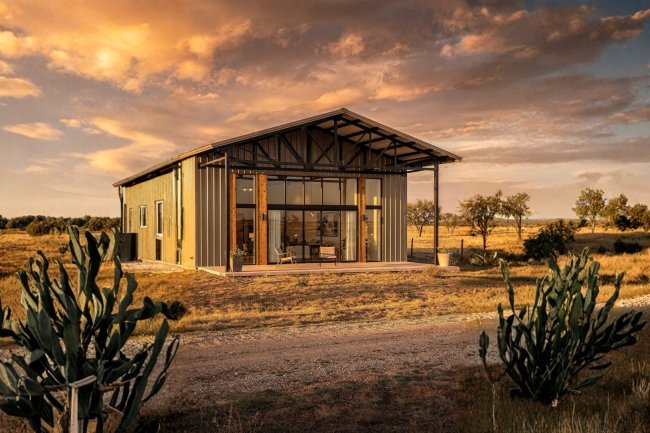
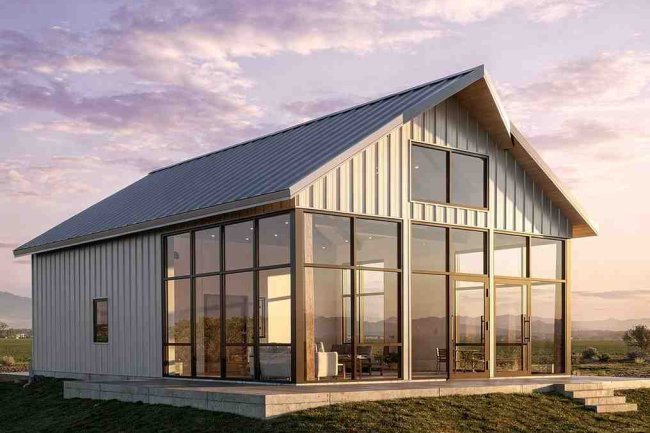
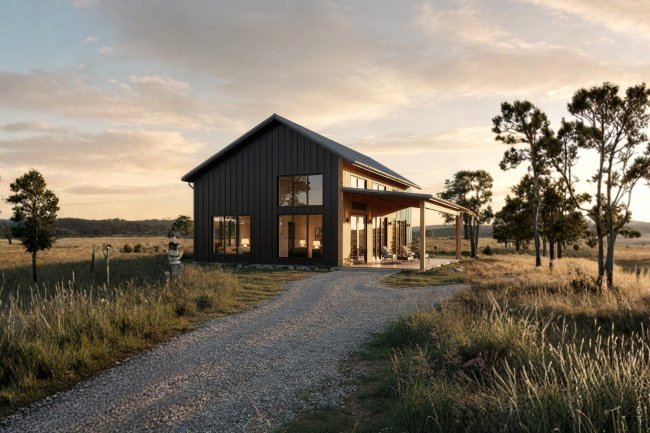
Exterior Renderings
Perfect for defining curb appeal, rooflines, materials, and overall first impressions.
Interior Renderings
Helps visualize open-concept layouts, lighting, furniture flow, and daily living spaces.
This isn't just an aesthetic choice. It directly affects how clearly you can communicate your vision to your builder, how quickly permits get approved, and how satisfied you'll be when the final structure is completed.
Important Insight
Most barndominium planning mistakes happen when homeowners skip the rendering phase entirely — or choose the wrong rendering type first for their project stage.
What You'll Learn
- Exterior & interior rendering basics
- When to prioritize each rendering type
- How renderings connect with floor plans
- Actionable planning tips for homeowners
- How Barndo Plans fits into your workflow
Start Planning
Barndo Visualization Guide
Understanding the Two Types of 3D Renderings
Discover how exterior and interior renderings help homeowners visualize every detail of their future barndominium before construction even begins.
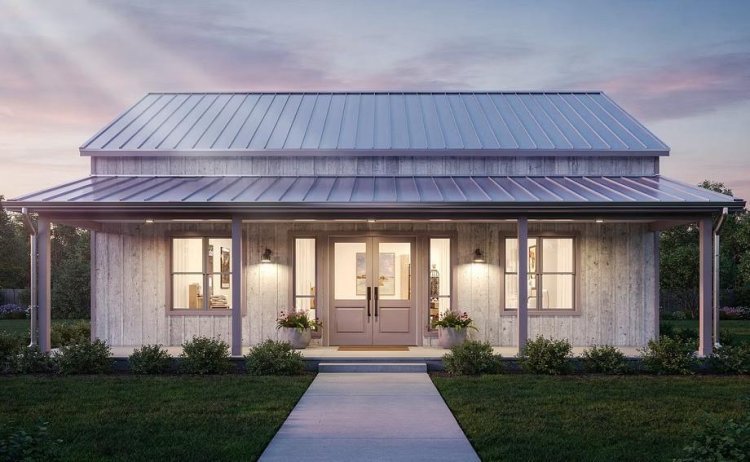
Exterior 3D Renderings
These visualizations show your barndominium from the outside — rooflines, siding materials, window placement, porch configurations, and how the structure sits on the land. They're your first impression tool, capturing how the home interacts with its surroundings, driveway, and natural landscape.
Roofline pitch and gable style
Metal panel or board-and-batten siding
Door and window proportions
Covered porch or porte-cochère details
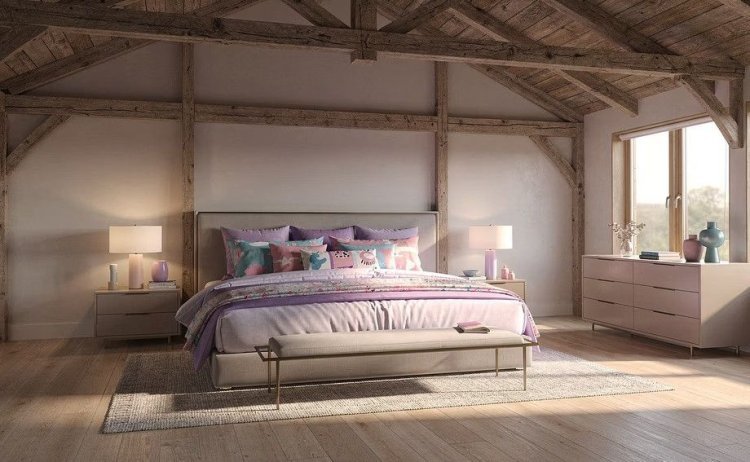
Interior 3D Renderings
Interior renderings bring your floor plan to life from within — showing how spaces flow, where light enters, how furniture fits, and what materials like shiplap, concrete floors, or exposed steel beams will actually look like at human scale. They transform flat blueprints into livable spaces you can emotionally connect with.
Open-concept kitchen and great room layouts
Ceiling height and beam placement
Material and finish visualization
Natural light and spatial flow
Which Should You Start With? A Clear Framework
The right rendering strategy depends entirely on your current stage of planning, budgeting, and construction readiness.
1
Start with Exterior — If You're Still Choosing Your Land or Builder
Exterior renderings help you visualize how the structure fits your land while giving builders and zoning boards a clearer understanding of scale, placement, and setbacks.
They also improve quote accuracy and help validate the real-world footprint of your floor plan before construction begins.
2
Start with Interior — If Your Shell Design Is Set
Once the structural layout is finalized, interior renderings help refine furniture placement, finish selections, lighting flow, and room usability.
They are especially valuable for large open-concept barndominiums where scale and sightlines can feel very different in 3D than on paper.
3
Do Both Together — If You're Working from a Custom Floor Plan
Running exterior and interior renderings together creates a more efficient planning workflow when starting from a professionally designed floor plan.
Exterior visuals confirm the shell while interior renderings verify livability, reducing costly surprises during construction.
Floor Plan Visualization Workflow
How Renderings Connect
to Your Floor Plan
Your floor plan is the foundation that connects exterior and interior renderings into one accurate, buildable barndominium vision.
The Floor Plan Is the Foundation
Neither exterior nor interior renderings exist in isolation — they both derive from your floor plan. Wall placement, window rough openings, structural post locations, and roof spans all flow from the plan.
This is why experienced barndominium builders recommend locking in your floor plan before investing heavily in detailed renderings.
When you start with a well-engineered plan — like those available at Barndo Plans, which offers a wide library of barndominium-specific designs optimized for US construction standards — your renderings become far more accurate and actionable.
You're not guessing at dimensions; you're visualizing real, buildable geometry.
Pro Tip
Use your floor plan dimensions to set the camera angles in your exterior rendering. This ensures what you see outside matches what's inside.
Common Mismatches to Avoid
Window Placement
Large picture windows in exterior renderings must align with interior wall space — avoid windows landing behind kitchen cabinets.
Roofline vs. Ceiling Height
Dramatic exterior gables need proper interior clearance — always verify ceiling heights directly on the floor plan.
Porch Depth
A deep covered porch may look beautiful in renderings, but it can reduce usable interior square footage.
Entry Door Position
What appears visually centered outside should align naturally with your foyer or mudroom layout inside.
Garage Bay Proportions
Oversized garage doors in exterior renders should match the actual interior bay depth on the floor plan.
Exterior Render Floor Plan Interior Render
This sequential, plan-first workflow is the industry standard for barndominium projects and significantly reduces change orders during construction.
Barndominium Planning Guide
Actionable Tips & Next Steps
for Barndominium Planners
Use these practical planning tips to simplify your rendering workflow, communicate clearly with builders, and avoid costly design revisions later.
Lock Your Floor Plan First
Before spending on any rendering service, finalize a floor plan that reflects your actual square footage budget, bedroom count, and lifestyle needs. Barndo Plans offers ready-to-use designs that are US construction-ready and fully dimensioned.
Let Your Project Stage Guide Your Rendering Choice
Pre-construction? Start exterior. Finishing out? Start interior. Building from scratch with a custom plan? Run both. Match the rendering type to your actual decision-making needs — not just what looks exciting.
Use Renderings as Builder Communication Tools
Share renderings with your general contractor, metal building supplier, and finish subcontractors early. A single exterior rendering can align your framer, roofer, and siding installer on expectations before a nail is driven.
Explore Barndo Plans for a Head Start
If you're early in your barndominium journey and haven't chosen a floor plan yet, BarndoPlans.com is a practical starting point.
Their library includes a wide range of barndominium designs — from compact 1-bed, 1-bath weekend retreats to multi-bedroom family homes with shop space — all designed with US building practices in mind.
Starting with a proven plan makes your exterior and interior renderings faster, cheaper, and more accurate because the geometry is already resolved.
The Bottom Line
There's no universally "correct" answer to whether you start with exterior or interior 3D renderings — but there is a smarter answer based on your stage, goals, and budget.
Use renderings as planning tools, not just pretty pictures. Ground them in a solid floor plan, align them with your builder early, and let them guide your material and finish decisions before you're on the clock.
Your future self — standing in a finished barndominium that looks exactly like you imagined — will thank you for the upfront effort.