DESIGN CLARITY INSIGHT
Why 3D Renderings Change Everything
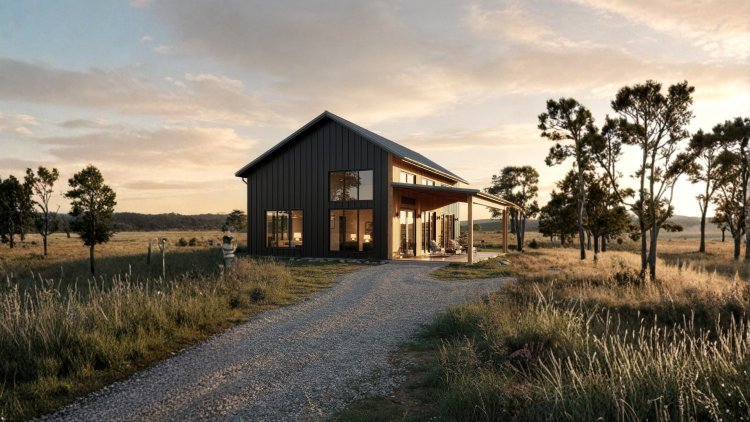
Floor plans communicate structure, but 3D renderings communicate experience. They turn abstract measurements into a space you can actually understand, evaluate, and refine.
FP
Floor Plan Gap
2D drawings rely on imagination, making it difficult to accurately perceive spatial relationships and real-world scale.
SR
Scale Reality Check
Spaces that feel large on paper may feel smaller or disproportionate once visualized in full 3D context.
RS
Relationship of Spaces
Flow between kitchen, living, and outdoor areas becomes clear only when seen through realistic spatial rendering.
Most design changes happen within the first 48 hours of reviewing a 3D rendering. Early visualization is not just helpful—it directly reduces revision cost and decision uncertainty.
DESIGN REVISION INSIGHTS
The Most Common Design Changes After Seeing a Rendering
3D renderings reveal design issues that are difficult to detect in 2D plans. Once homeowners see their barndominium in full scale, revisions become focused, practical, and highly predictable.
Window Size & Placement
Homeowners often upgrade to larger or repositioned windows after realizing how light and views behave in real spatial context.
Master Suite Layout
Privacy, access flow, and room positioning are frequently adjusted once the master suite is experienced in 3D form.
Porch & Outdoor Living
Many designs expand porch depth, add outdoor kitchens, or widen entryways after seeing real-world scale in renderings.
Structural & Exterior Adjustments
Garage sizing, ceiling heights, interior wall removal, and exterior material balance are commonly refined after rendering review.
DESIGN IMPACT GUIDE
Design Decisions That Ripple Furthest
Not all rendering feedback has equal weight. Some changes are purely aesthetic, while others affect structure, permitting, and engineering requirements. Knowing the difference helps you prioritize effectively.
Low-Impact Changes
Interior finishes, cabinet layouts, non-load-bearing partitions, exterior colors, and decorative details can usually be adjusted without structural revisions.
High-Impact Changes
Structural elements like footprint size, roof pitch, window placement in load-bearing walls, loft additions, and utility rerouting require engineering review.
Permit & Engineering Note
High-impact revisions may require updated structural drawings and permit resubmission. Always confirm with your builder or structural engineer before finalizing.
Decision Workflow
Review rendering → prioritize changes → finalize with builder. This sequence ensures emotional feedback becomes practical, build-ready decisions.
Working through this structured approach ensures that rendering feedback improves your design instead of creating costly mid-construction surprises.
DESIGN FOUNDATION STRATEGY
Start With a Plan Built for Refinement
The easiest way to manage design changes is to begin with a professionally engineered barndominium floor plan designed for real-world US construction and flexible customization.
Professional-Grade Starting Point
Plans from Barndo Plans are drawn to US construction standards, making them easier for engineers, builders, and permitting offices to review and approve.
Built for Customization
Adjusting room layouts, ceiling heights, or porch widths is easier when starting from a structured, build-ready design instead of a rough concept.
Pre-Rendering Checklist
Confirm must-have views, identify uncertain room scales, and flag exterior elevations for multiple render angles before requesting 3D visualization.
Build With Confidence
3D visualization is not the end of design—it’s the checkpoint that ensures your final build reflects your intent before construction begins.
Ready to explore flexible, US-ready barndominium floor plans? Visit BarndoPlans.com and browse designs built for real construction, real lifestyles, and real-world customization.
Browse Barndo Plans • View All Floor Plans