Post-Frame vs. Red Iron: Understanding the Building Method
When Texas barndominium buyers start comparing bids, one of the first confusing differences they encounter is the building method: some builders quote post-frame (pole barn) construction; others quote pre-engineered red iron I-beam systems. The prices look different. The claims sound different. And most buyers aren't sure which system is actually better for their specific situation.
This is an important decision — one that affects your construction cost, your lender's willingness to finance, your insurance options, and the long-term performance of your building. Here's the honest comparison.
01
Why This Decision Matters
This is an important decision — one that affects your construction cost, your lender's willingness to finance, your insurance options, and the long-term performance of your building.
The prices look different. The claims sound different. And most buyers aren't sure which system is actually better for their specific situation.
02
What Is Post-Frame Construction?
Post-frame construction — often called pole barn construction — uses large-diameter wood columns, typically 6x6 or larger treated lumber, embedded directly into the ground or set on concrete piers. These columns bear the structural load; the metal skin panels and purlins span between them.
Post-frame is the traditional agricultural building method across Texas, and it has produced millions of functional farm buildings and workshops over decades.
03
Advantages and Limitations
Post-Frame Advantages
Lower upfront material cost, simpler foundation, no full perimeter concrete in many applications, faster erection, and a large supply of experienced post-frame builders in rural Texas.
Post-Frame Limitations for Primary Residences
Wood embedded in soil or concrete eventually deteriorates even with treatment, clearspan options are limited by column spacing, interior posts are common in wider buildings, and many lenders — particularly Farm Credit and VA — are less comfortable with post-frame construction for residential primary residences than with engineered steel systems.
What Is Red Iron Construction?
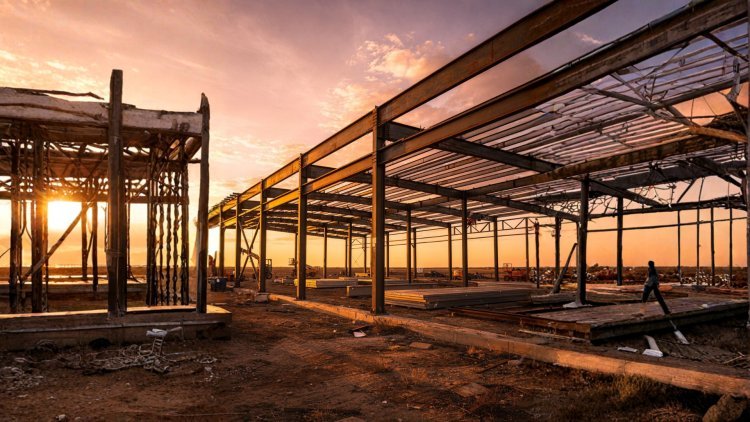
Red iron barndominium construction uses pre-engineered I-beam steel columns and rafters — the same structural system used in commercial and industrial buildings, sized down for residential applications.
01
Pre-Engineered Steel System
Red iron barndominium construction uses pre-engineered I-beam steel columns and rafters — the same structural system used in commercial and industrial buildings, sized down for residential applications.
The frame is designed and fabricated by the manufacturer to your specific dimensions and wind load requirements, then shipped to your site for erection.
The metal skin panels and insulation system complete the envelope.
Superior clear span, up to 120 feet without interior columns.
Documented engineered wind resistance with manufacturer-provided engineering calculations.
Excellent long-term durability with zero deterioration risk in the structural frame.
Broad acceptance by lenders, appraisers, and insurance underwriters.
Higher material cost than post-frame kits.
Requires a full concrete perimeter foundation.
A concrete slab or grade beam is part of the structural system.
Longer lead times as kits are custom-manufactured to order, typically 8–16 weeks.
The Texas Decision Framework: 5 Questions
Are you using financing?
If you're financing through Farm Credit, Rural1st, USDA, or VA, red iron pre-engineered systems are significantly easier to finance. These lenders prefer systems with manufacturer-provided engineering documentation — a certified stamped engineering package from the manufacturer that demonstrates the building meets ASCE 7 wind loads for your Texas county. Post-frame systems can be financed, but may require additional third-party engineering documentation that red iron systems come with as standard.
Capital Farm Credit explicitly notes that they finance barndominium construction and are familiar with pre-engineered metal building systems. If your lender is asking questions about your building system, pre-engineered red iron typically answers those questions before they're asked.
What is your clear span requirement?
If your building width is 40 feet or less, post-frame can achieve an interior column-free span relatively economically. If your building is 50 feet wide or wider — and most Texas barndominium buyers want at least a 3-car garage bay or a proper shop — red iron's clear-span advantage becomes significant.
A 60-foot clear span red iron building has no interior columns at all; a 60-foot post-frame building typically requires an interior row of posts that disrupts your shop layout and limits where you can park equipment.
Where in Texas are you building?
Texas wind zones affect the cost comparison significantly. In coastal or high-wind areas, Gulf Coast, coastal bend, SE Texas, the engineer-certified wind resistance of a red iron system can actually reduce insurance premiums enough to offset the material cost premium.
In lower-wind East Texas inland counties, the post-frame cost advantage is more meaningful and the wind-resistance documentation requirements less demanding.
What is your long-term plan for the property?
If you plan to sell the property within 10 years, resale is easier with a red iron building — appraisers are more familiar with valuing them, and the lender pool for potential buyers is broader.
If this is a multi-generational property you expect to own for 30+ years, both systems are appropriate — a properly built post-frame building with modern preservative-treated columns performs well over long time periods.
What does your local builder prefer?
In practice, many experienced Texas barndominium builders have strong preferences based on their supplier relationships and crew experience. A builder who has erected 50 red iron buildings will build your red iron building better and faster than a post-frame specialist switching systems — and vice versa.
Don't fight your builder's expertise; find a builder whose preferred system matches your requirements.
Cost Comparison — Texas 2026
| Factor |
Post-Frame |
Red Iron (Pre-Engineered) |
| Kit material cost (2,400 sq ft / 40x60) |
$22,000–$35,000 |
$32,000–$55,000 |
| Foundation requirement |
Embedded post or concrete piers; no full slab required for shell |
Full concrete slab or grade beam required |
| Erection speed |
Faster (simpler connections) |
Slightly slower (bolted connections) |
| Engineering documentation included |
Limited (varies by supplier) |
Yes — manufacturer-stamped engineering standard |
| Financing acceptance |
Generally good; some lender hesitancy |
Excellent — lenders are comfortable |
| Clear span at 60 feet |
Requires interior posts typically |
Full clear span, no interior posts |
| Manufacturer warranty (typical) |
Limited on wood components |
25–40-year structural warranty common |
| Long-term maintenance |
Wood components require periodic inspection |
Steel frame requires essentially no maintenance |
The Bottom Line for Texas Primary Residence Builds
Red iron pre-engineered steel is the safer choice in 2026.
For Texas buyers building a primary residence — especially one they're financing — red iron pre-engineered steel is the safer choice in 2026. The lender acceptance, clear-span flexibility, documented wind engineering, and long-term durability advantages outweigh the higher kit material cost in most situations.
02
Cost Difference Perspective
The total project cost difference between post-frame and red iron on a finished primary residence is typically $8,000–$20,000 — meaningful but not decisive when amortized over a 30-year mortgage.
03
Where Post-Frame Still Makes Sense
For shop-only buildings, secondary storage structures, and budget-constrained buyers with builder relationships in the post-frame world: post-frame remains an excellent choice with a long Texas track record.
04
Barndoplans.com Plans Work With Both Systems
Our 200+ floor plans can be adapted to either red iron or post-frame construction by your builder. Plans from $99, including complete architectural drawings your contractor can quote from.
Ready to Choose Your Plan?
Plans from $99, including complete architectural drawings your contractor can quote from.
Browse Texas Plans →