Designing Efficient Storage Solutions in Barndo Floor Plans
Design efficient barndominium storage with smart floor plan ideas, built-in solutions, and space-saving tips for a clutter-free home.
Why Storage Planning Matters in Barndominium Design
Barndominiums often combine living quarters with workshop, garage, agricultural, or hobby space under one roof. That flexibility is one of their greatest strengths — but it also creates storage demands that are far more complex than a traditional home.
Mudrooms, tools, outdoor equipment, seasonal decorations, sporting gear, and everyday household essentials all compete for valuable square footage. Without a storage strategy built into the floor plan, clutter quickly erodes the open, spacious feel that makes barndominiums so appealing.
The Hidden Cost of Poor Planning
Retrofitting storage after construction is significantly more expensive than designing it from the start. Built-in cabinetry, loft additions, shelving systems, and custom wall units cost far less when integrated into the original floor plan.
Effective barndominium storage isn't one-size-fits-all. The best floor plans treat each functional zone — kitchen, utility, garage, and living areas — as its own storage ecosystem.
A dedicated mudroom with cubbies, boot racks, benches, and overhead cabinets is essential for barndo living. Position it between the garage and main living space to contain everyday clutter.
Overhead storage racks, wall-mounted pegboards, and deep metal shelving maximize tall garage bays. Planning for 12–16 ft ceiling heights unlocks valuable loft-style storage above vehicles and work areas.
Smart Storage Strategies for Every Zone
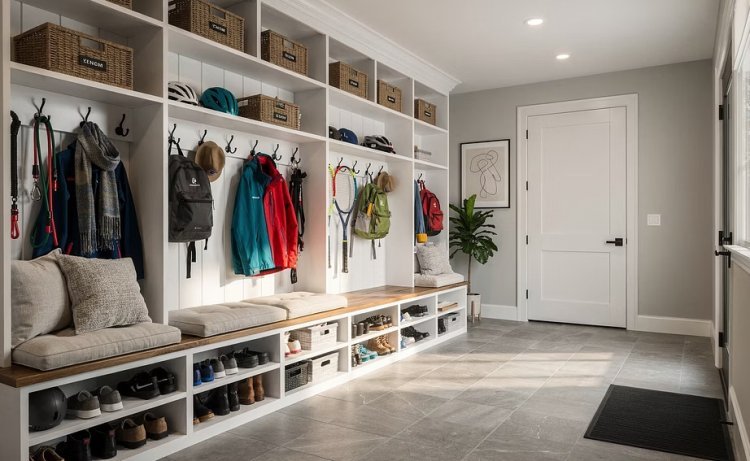
Mudroom & Entry
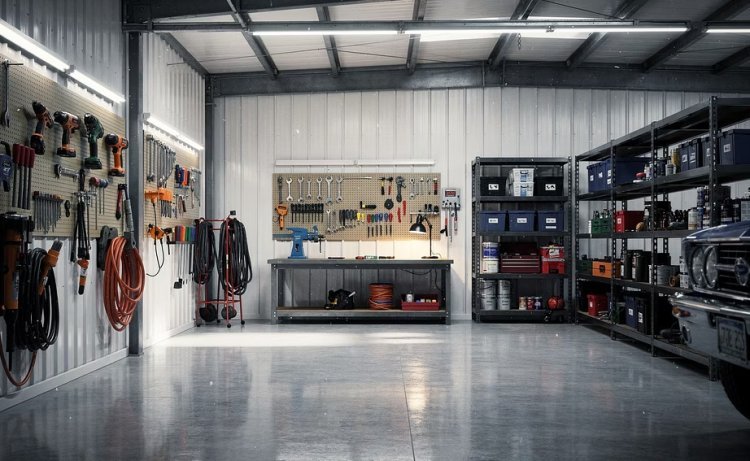
Garage & Workshop
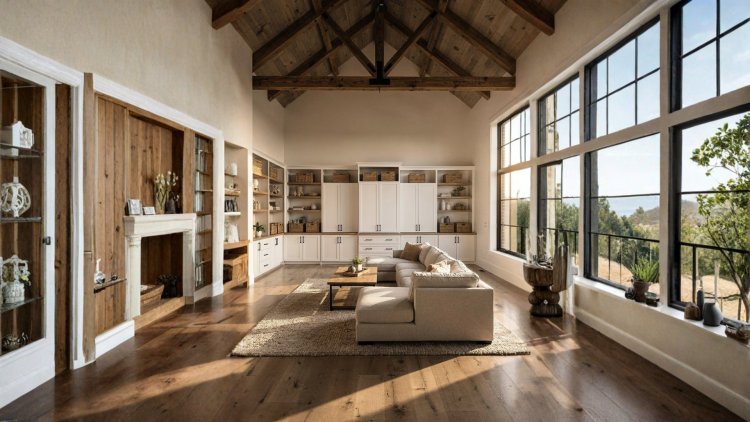
One of the most powerful — and most overlooked — storage tools in barndominium design is vertical space. Standard barndos often feature 10–16 ft ceilings, creating valuable storage opportunities above eye level that many homeowners never fully utilize.
Floor-to-ceiling built-ins maximize cubic storage while helping define zones within open-concept layouts. Combine shelving, media centers, hidden cabinets, and workspace storage into one seamless architectural feature.
Guest rooms, offices, and hobby spaces work best when storage is integrated into the room's core. A central closet system with shelving on multiple walls keeps the space flexible while maintaining a clean, uncluttered layout.
Vertical Space, Lofts & Multi-Use Rooms
Built-In Wall Systems
Multi-Use Rooms with Storage Cores
The most successful barndominium builds share one common trait — their owners thought about storage before the first post was set. A well-designed floor plan doesn't just allocate square footage to rooms; it allocates purpose to every wall, corner, and vertical inch of the structure.
List items and storage types needed for each zone.
Identify living, work, storage, and utility areas.
Compare layouts, storage access, and circulation paths.
When evaluating floor plans, look for designs that integrate dedicated pantry space, mudroom transitions, garage overhead clearance, and flexible loft options — not as add-ons, but as core features of the layout. Professionally drawn plans from trusted sources like Barndo Plans offer a strong starting point, with layouts already optimized for the way real American families live and work in their barndominiums.
Explore purpose-built barndominium floor plans designed for real-world storage demands and long-term livability.
Add lofts, expand pantries, and refine utility spaces early — modifications are simple on paper and costly in framing.
Don't just measure floor area. Ceiling height, loft potential, and wall depth determine your true storage capacity.
Bringing It All Together: Build Storage Into Your Plan from Day One
Map Needs
Define Zones
Review Plans
Start with a Quality Plan
Customize Before You Build
Think in Cubic Feet
What's Your Reaction?