CONSTRUCTION RISK INSIGHT
The Real Cost of Miscommunication in Construction
Most construction issues don’t come from bad intentions—they come from different people interpreting the same plan in different ways. Barndominiums amplify this risk due to their hybrid design nature.
Vague 2D Interpretations
Flat floor plans leave room for interpretation, causing homeowners and builders to visualize different spatial outcomes from the same drawing.
Scale & Lighting Surprises
Room size, ceiling height, and natural light often feel very different once framing begins—leading to costly late-stage adjustments.
Costly Change Orders
Misunderstandings during framing or finishing stages often lead to budget increases due to redesign, rework, or material waste.
Why Barndominiums Are Vulnerable
Hybrid steel-residential builds require precise coordination. Without a shared 3D vision, assumptions multiply across homeowners, builders, and permit reviewers.
VISUAL PLANNING VALUE
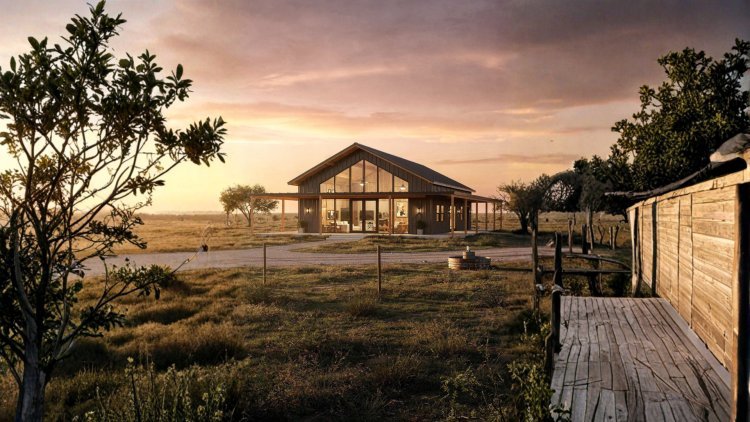
What 3D Renderings Actually Do for Your Build
01
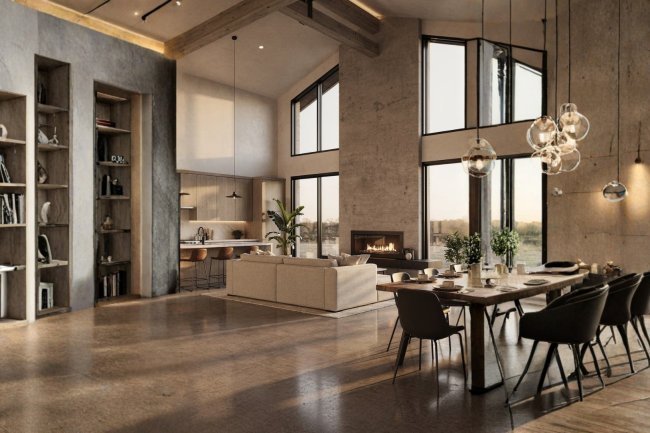
Visualize Space & Scale
Experience ceiling heights, room proportions, and spatial flow before construction begins.
02
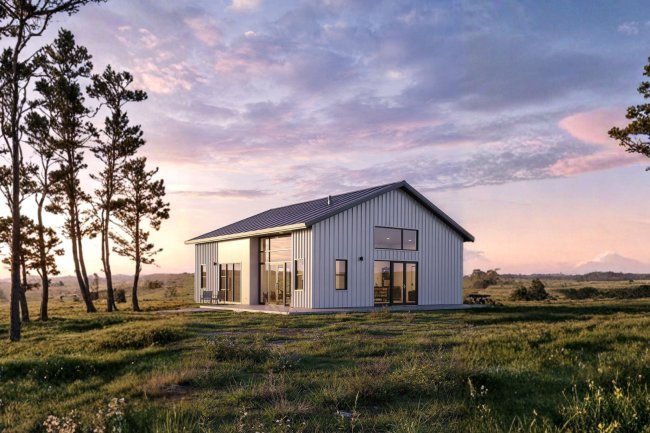
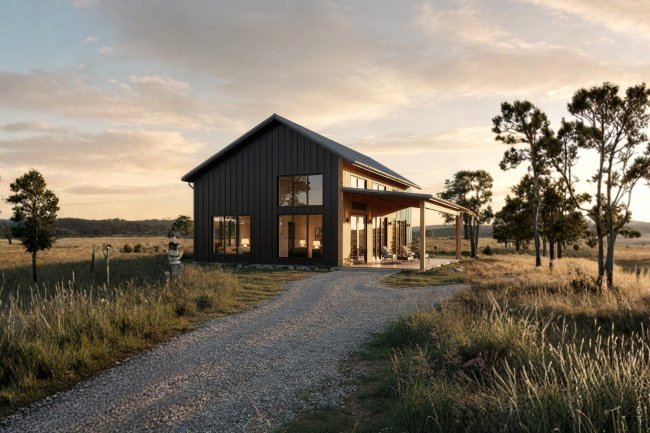
Align Exterior Aesthetics
Finalize roof pitch, siding, porch depth, and window placement before materials are ordered.
03
Improve Builder Communication
Contractors use a shared visual reference to reduce miscommunication and change orders.
04
Build With Confidence
Ensure your rendering matches real construction logic so what you see is what gets built.
IMPLEMENTATION GUIDE
Practical Tips: Using Renderings Effectively in Your Barndominium Project
01
Start With a Professionally Designed Floor Plan
Use engineered, code-compliant plans like those from Barndo Plans to ensure your rendering is based on real structural logic, not rough sketches.
02
Review Interior & Exterior Views
Evaluate all major spaces and exterior elevations. Focus on window placement, door alignment, and natural light flow.
03
Use Renderings for Permit Submissions
Submit 3D visuals alongside blueprints to help HOAs and county reviewers understand your barndominium design faster and more clearly.
04
Lock Finish Selections Early
Finalize materials like flooring, cabinetry, and colors during the rendering phase to avoid costly mid-construction changes.
Choose Plan → Generate 3D → Align → Review & Break Ground
A structured workflow turns design uncertainty into clear, confident construction decisions.
CONSTRUCTION CLARITY
Build With Confidence — Not Guesswork
The biggest risk in residential construction is misalignment between vision and execution. 3D renderings close that gap by turning decisions into shared visual clarity before construction begins.
01
Fewer Change Orders
Decisions made during rendering are free. Mid-construction changes can cost thousands and delay your entire build timeline.
02
Faster Approvals
Clear 3D visuals help HOAs, lenders, and county officials quickly understand non-traditional builds like barndominiums.
03
Total Alignment
Homeowners, builders, and subcontractors all reference the same visual reference—reducing confusion and improving execution accuracy.
Ready to see your barndominium before you build it? Explore professionally designed plans at BarndoPlans.com
Built to US construction standards for builders, counties, and homeowners