Barndominium Living Guide
The Rise of the Barndominium: A Modern Twist on Rustic Living
Barndominiums are reshaping the idea of modern country living by combining barn-inspired architecture with the comfort, flexibility, and efficiency of a custom residential home.
01
Modern Rustic Housing
Barn-Inspired Design Meets Residential Comfort
A barndominium blends the rugged character of agricultural buildings with the livability of a modern custom home.
?
02
Definition
What Is a Barndominium?
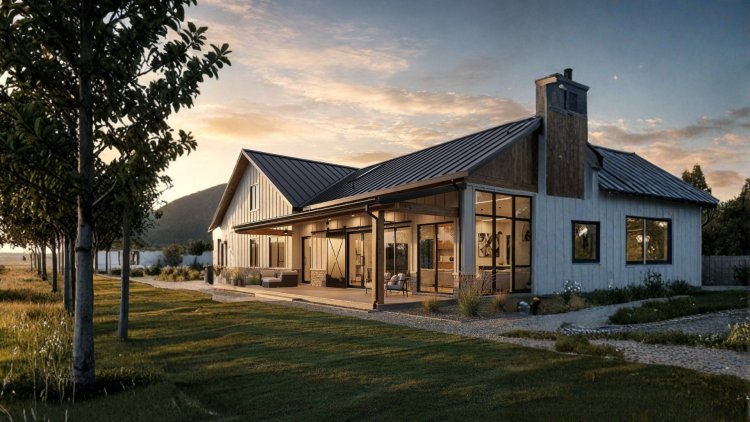
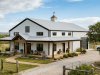
A barndominium, or “barndo,” is a steel or metal-framed structure — originally inspired by agricultural barns — that has been converted or purpose-built as a full residential living space. The result is a hybrid home that merges the industrial aesthetic of a barn with the comfort and functionality of a modern house.
Inside the Home
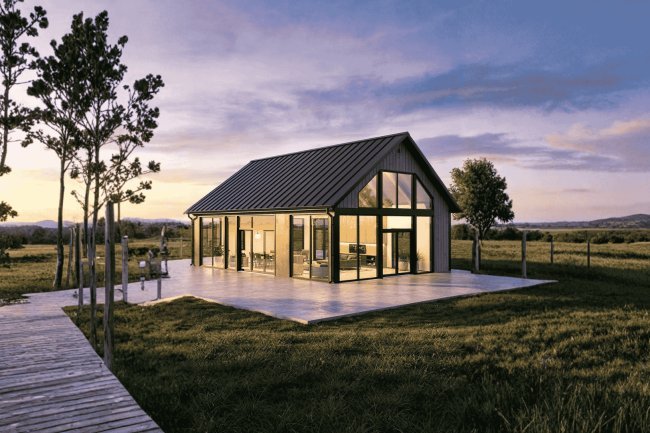
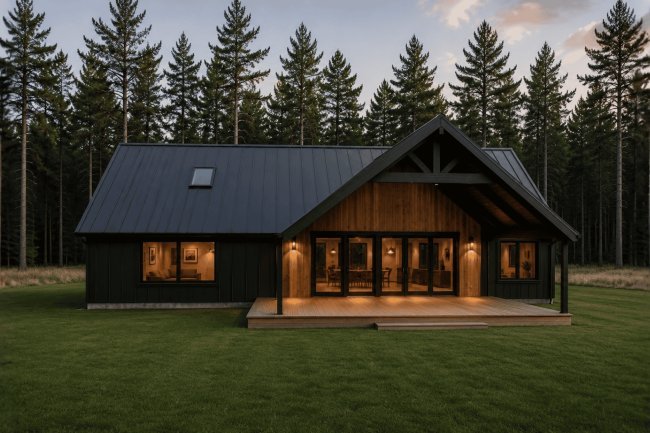
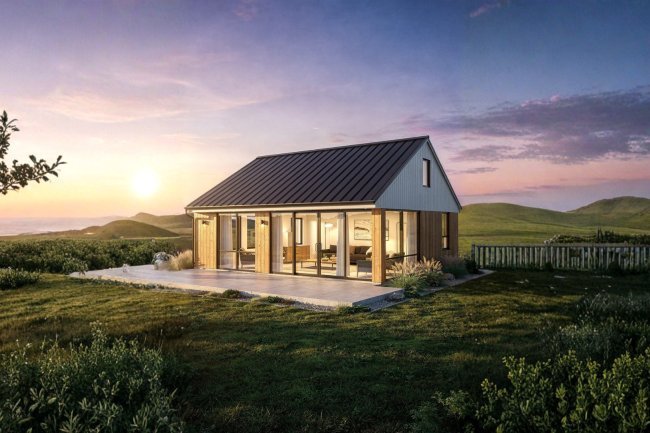
The interior typically features soaring ceilings, wide-open floor plans, and an abundance of natural light through oversized windows and sliding doors.
Exterior Character
The exterior often includes corrugated metal siding, large sliding barn doors, and a clean, minimalist silhouette that stands apart from conventional neighborhoods.
03
Market Momentum
Why Are They Surging in Popularity?
Barndominiums have grown from a niche rural curiosity into a mainstream housing trend across the United States, particularly in Texas, Oklahoma, and the broader Sunbelt. Several converging forces are driving this shift.
01
Affordability Pressure
As traditional home prices have surged, buyers are actively seeking cost-effective alternatives without sacrificing quality or space.
02
02
Flexible Design
Open-concept layouts allow homeowners to customize their floorplans in ways that conventional framing often restricts.
03
Durability
Steel frames are resistant to fire, pests, rot, and extreme weather — offering long-term structural advantages over wood framing.
04
Lifestyle Appeal
Many buyers desire combined living-and-workspace arrangements, and barndominiums naturally accommodate workshops, garages, and studios under one roof.
Traditional Home Building Guide
Stick-Built Homes: The Traditional Path
Stick-built construction has been the dominant method of home building in America for over a century. The term refers to the process of constructing a home piece-by-piece, on-site, using dimensional lumber — “sticks” — to frame walls, floors, and roofs.
It is the method most homebuyers, contractors, and lenders are most familiar with, and it carries deep roots in American residential culture.
01
01
On-Site Construction
Every element of a stick-built home is assembled directly at the building site. Carpenters cut and nail each stud, joist, and rafter individually, allowing for highly customized designs but requiring extensive skilled labor and time on-site.
Typical Timeline
A typical single-family home can take anywhere from 7 to 12 months to complete from breaking ground to move-in.
02
02
Established Trades & Permitting
Because stick-built construction is so well-established, local building codes, permitting offices, and inspectors are universally familiar with the process. This can streamline approvals in many jurisdictions.
Code Compliance
Familiarity does not mean fewer requirements. Stick-built homes must still meet strict code standards at every phase, from foundation to final inspection.
Higher Material & Labor Complexity
Traditional framing requires sequencing multiple skilled trades — framers, roofers, plumbers, electricians, HVAC technicians, insulators, and finish carpenters — each of whom must be scheduled, coordinated, and paid separately.
Pricing Volatility
Supply chain disruptions and lumber price volatility have increased financial unpredictability in recent years, especially after lumber costs surged sharply during the pandemic.
+
The Traditional Advantage
Stick-built homes remain popular because the process is familiar, widely accepted by lenders and inspectors, and highly customizable. However, the trade coordination, longer timelines, and material-price exposure can make budgeting more complex than many buyers expect.
Barndominium Cost Comparison
Cost Breakdown: Where the Savings Lie with Barndominiums
On average, a barndominium costs between $70–$130 per square foot to build, compared to $150–$250+ per square foot for a comparable stick-built home — a difference that can represent $80,000 to $150,000 or more on a 2,000 sq. ft. home.
Barndominium
$70–$130
Average cost per sq. ft.
VS
Stick-Built Home
$150–$250+
Average cost per sq. ft.
01
01
Biggest Savings Driver
Reduced Labor Costs
Barndominium kits arrive with pre-engineered, pre-cut steel components that are designed for efficient assembly. Because the structural system is simplified — large steel posts and beams replacing dozens of individual lumber pieces — the total on-site labor hours are dramatically reduced.
Potential Labor Advantage
Some owner-builders with basic construction experience have successfully erected their own barndominium shells, eliminating general contractor markups entirely. Even with professional crews, labor savings of 20–40% over stick-built construction are commonly reported.
02
Time Savings
Faster Construction Timeline
A typical barndominium shell can be erected in as little as 1–3 weeks once the foundation is poured, compared to months for stick framing.
Shorter construction loans mean less interest paid, fewer months of temporary housing costs, and faster move-in dates.
03
03
Less Waste
Material Efficiency
Because barndominium components are precision-engineered and fabricated in a controlled factory environment, material waste is significantly minimized.
Traditional stick-built framing can generate substantial on-site lumber scrap, while factory-built steel components arrive cut to specification, reducing both material costs and cleanup expenses.
01
$70
Barndo Cost / Sq. Ft.
Average low-end cost per square foot for barndominium construction.
02
$200
Stick-Built Cost / Sq. Ft.
Average mid-range cost per square foot for traditional stick-built homes.
03
3 Wks
Shell Erection Time
Typical time to erect a barndominium shell once foundation is complete.
04
40%
Labor Savings
Potential labor cost reduction versus comparable stick-built construction.
$
Where the Real Savings Come From
Barndominium savings are not just about cheaper materials. The biggest advantages come from simplified structural systems, shorter labor timelines, factory-controlled fabrication, and reduced waste — all of which can meaningfully lower the total project cost compared with traditional stick-built construction.
Stick-Built Cost Guide
Factors Influencing Stick-Built Costs
While stick-built homes offer unmatched design flexibility and widespread financing familiarity, that flexibility comes with a price — both in dollars and complexity. Understanding what drives costs upward in traditional construction helps homebuyers budget more accurately and negotiate more effectively.
$
Cost Complexity
Why Traditional Builds Get Expensive
Stick-built homes rely on many separate materials, trades, approvals, and scheduling stages. Each layer adds flexibility — but also cost exposure.
Key Takeaway
The more custom, trade-heavy, and material-sensitive the project becomes, the harder it is to control the final budget.
01
01
Extensive Multi-Trade Labor
Stick-built construction demands a long roster of specialized tradespeople: framers, foundation crews, roofers, siding installers, electricians, plumbers, HVAC technicians, insulation specialists, drywall crews, painters, and finish carpenters — each billing at their own rate.
Coordinating and scheduling these trades is itself a full-time job, and general contractor overhead typically reflects that complexity.
02
02
Design Costs
Architectural & Design Fees
Custom stick-built homes often require licensed architect involvement, especially for complex or unique designs. Architectural fees typically range from 5–15% of total construction cost.
Architect
Engineering
Plan Sets
Structural engineering reviews, energy compliance modeling, and municipality-specific plan sets add expenses before a single board is nailed.
03
Market Exposure
Material Complexity & Volatility
Lumber markets are notoriously volatile. Between 2020 and 2022, framing lumber prices tripled, adding an estimated $36,000 to $86,000 to the cost of an average new home according to the NAHB.
Traditional framing also uses a wider variety of materials — engineered lumber, OSB sheathing, housewrap, and multiple insulation types — each with its own supply chain.
Steel, by contrast, tends to offer more price stability and consistent availability.
Barndominium vs. Stick-Built Homes
The Value Proposition: More Than Just Price
Choosing between a barndominium and a stick-built home isn't purely a spreadsheet decision — it's a lifestyle choice. While the numbers often favor barndominiums for upfront cost savings, the right choice depends on your long-term goals, location, financing situation, and personal vision for what “home” means to you.
%
Core Value Advantage
Barndominiums Can Deliver More Space for the Same Budget
For homeowners prioritizing cost-effectiveness, speed of construction, and open-plan living, barndominiums offer a compelling and increasingly mainstream path to a custom home — often at 40–60% of the cost of a comparable stick-built alternative.
B
Why Barndominiums Win on Value
More Living Space
Lower cost per square foot means more room for the same budget — ideal for growing families or work-from-home arrangements.
Long-Term Durability
Steel construction can reduce long-term maintenance issues such as rot, termite damage, and fire vulnerability.
Energy Efficiency Potential
Spray foam insulation can make barndominiums surprisingly competitive on utility bills despite large open volumes.
Multi-Use Flexibility
Workshops, RV garages, studios, and hobby spaces can be integrated into the same structure.
S
Where Stick-Built Still Holds Its Ground
Financing Familiarity
Conventional lenders, FHA, and VA programs are generally more familiar with stick-built appraisals.
Predictable Resale Market
In established suburban neighborhoods, stick-built homes often have a larger and more predictable buyer pool.
HOA & Zoning Compatibility
Many subdivisions restrict metal-clad structures, making stick-built the only feasible option in certain locations.
Architectural Expression
Traditional trim details, historic styles, and highly customized facades are often easier to achieve with stick-built construction.
03
Decision Framework
Choose the Build Type That Fits Your Reality
The best choice depends on cost, land, zoning, financing, and how you plan to use the home over time.
01
Choose Build Type
Compare whether a barndominium or stick-built home better fits your needs.
02
Evaluate Location
Review zoning, access, land use, neighborhood rules, and lifestyle fit.
03
Compare Cost
Analyze cost per square foot, maintenance, financing, and long-term value.
04
Define Budget
Set your total budget, contingency, financing plan, and must-have priorities.
+
The Bottom Line
Ultimately, the barndominium vs. stick-built decision comes down to matching your housing choice to your financial reality, your land, and your lifestyle. Run the numbers carefully, consult local builders familiar with both methods, and do not underestimate the long-term value that durability and low maintenance can add to either path.