Designing a Barndominium with Future Expansion in Mind
Design a barndominium for future expansion with smart planning tips to save money, add space easily, and create a flexible forever home.
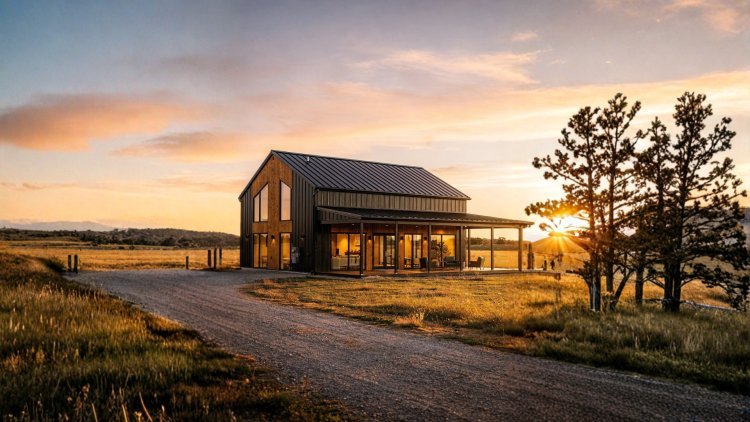
Why Future-Proofing Your Barndominium Matters
Most homeowners don't stay in "Phase 1" forever. Families grow, hobbies evolve, and remote work has reshaped how Americans use their homes. A barndominium that looks perfect at 1,800 sq ft today may feel limiting in five years — especially if it wasn't designed with expansion in mind.
Plan for Growth Before You Build
The structural advantages of barndominium construction — steel post-frame framing, open interior spans, and metal roofing — make them uniquely well-suited for additions. But only if the original plan accounts for growth. A poorly placed septic system, a load-bearing wall in the wrong spot, or undersized electrical panels can turn a simple addition into a costly renovation.
The most cost-effective expansions are the ones planned before construction begins. These proven strategies help ensure your barndominium can grow with your family, lifestyle, and future needs.
Install a larger-capacity septic system, upgrade to a higher-amperage electrical service, rough-in plumbing connections, and prepare conduit pathways for future HVAC zones. Small upfront investments can prevent expensive infrastructure upgrades later.
Take advantage of wide open spans created by post-frame construction. Flexible rooms can easily evolve from hobby spaces into bedrooms, offices, nurseries, or guest suites without structural modifications.
Key Design Strategies for Built-In Expansion
Oversize the Utility Systems From Day One
Choose an Open, Flexible Floor Plan
Future-ready barndominiums require more than smart design. Understanding zoning requirements, permit rules, and phased construction strategies helps ensure your expansion plans remain feasible and cost-effective.
Build your barndominium in stages without sacrificing long-term functionality. Start with essential living spaces and expand strategically as needs and budget evolve.
Core living area Bedroom wing Outdoor livingZoning, Permits & Phased Construction in the US
Phased Construction Done Right
Typical Phased Build Approach
Phase 1
+ utilities
Phase 2
+ shop expansion
Phase 3
+ bonus rooms
The single biggest mistake barndominium owners make is treating their floor plan as a fixed document rather than a long-term framework. When your plan is designed with expansion in mind from the start — with the right orientation, oversized utilities, flexible interiors, and phasing logic built in — every future addition becomes an upgrade rather than a headache.
Open-span post-frame layouts provide the flexibility to adapt rooms and living spaces as your family, hobbies, and lifestyle evolve over time.
Electrical service, septic capacity, plumbing infrastructure, and utility routing should support your long-term vision — not just your immediate needs.
Position your structure so rear walls or gable ends can expand naturally in the future without triggering setback conflicts or expensive redesigns.
Start with the Right Plan — Build for Life
Choose a Flexible Floor Plan
Oversize Systems Upfront
Orient for Easy Addition
What's Your Reaction?