Step-by-Step Barndominium Build Process
Step 1 — Secure Your Land
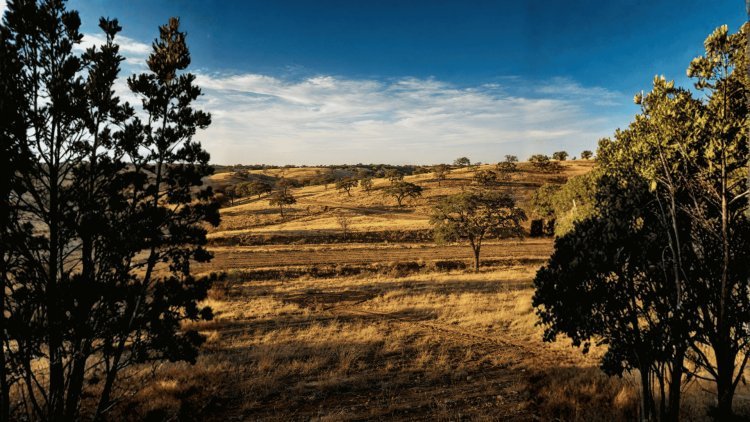
Everything depends on having land or a property under contract. Check flood zone designation, get a soil test if possible, confirm zoning for residential use, and verify USDA eligibility if using a Rural Development loan.
Step 2 — Choose and Customize Your Floor Plan
Select a stock plan or work with a custom design team. Balance square footage against budget — every 200 sq ft adds $15,000–$30,000 at standard finish levels.
Step 3 — Get Your Plans PE-Stamped
Plans must be reviewed and stamped by a licensed Professional Engineer for your state and county. This ensures compliance with wind load and soil requirements and prevents permit rejections or delays.
Step 4 — Get a Soil Test
A soil test ($800–$2,000) determines foundation design requirements. Expansive clay or flood-prone soils can significantly affect cost and design.
Step 5 — Secure Financing
With PE-stamped plans, soil test, and land documentation, assemble an itemized cost breakdown and apply for financing — USDA, Farm Credit, or conventional construction loans depending on eligibility.
Step 6 — Choose Your Builder (Or Plan Your Owner-Build)
If hiring a GC, get at least three quotes, check references, and confirm steel-frame experience. If acting as your own GC, line up subcontractors for foundation, framing, electrical, plumbing, and HVAC before applying for permits.
Barndominium Build Process (Steps 7–12)
Step 7 — Apply for Your Building Permit
Submit PE-stamped plans, site plan, and required documentation to your county building department. Processing times vary — 1–2 weeks in some Texas/Oklahoma counties, 4–8 weeks in southern Louisiana parishes. Engineered plans that meet code on first submission avoid costly rejections.
Step 8 — Site Prep and Foundation
Construction begins with clearing, grading, and foundation work. Includes well/septic installation if needed. Foundation work typically takes 1–3 weeks, with engineered slabs on problem soils requiring longer curing before framing.
Step 9 — Shell Construction (Frame, Roof, Siding)
The steel frame, roofing, and siding go up next. A standard barndominium shell can be erected in 2–4 weeks by an experienced crew, weather permitting. This is when your building becomes weather-tight.
Step 10 — Mechanical Rough-In and Insulation
Electrical, plumbing, and HVAC systems are roughed in, followed by spray foam insulation — essential in Texas, Oklahoma, and Louisiana. This phase takes 3–5 weeks and is inspected before drywall, since systems become hidden once walls are closed.
Step 11 — Interior Finish
Drywall, flooring, cabinetry, countertops, and fixtures are installed. This is the longest phase, typically 6–10 weeks, depending on finish level and custom selections.
Step 12 — Final Inspection and Move-In
Once complete, your local building department issues a certificate of occupancy after final inspection. Construction loans convert to permanent mortgages (if applicable), and you’re ready to move in.
From Land Closing to Move-In
8–14 Months
Most barndominium builds take 8–14 months total, factoring in plan customization, financing approval, permit processing, and construction.
• **Faster builds:** Smaller homes on utility-ready land.
• **Slower builds:** Larger custom projects, flood zone sites, or counties with longer permit review times.
Frequently Asked Questions
What is the first step in building a barndominium?
Securing land, or at minimum a property under contract, is the necessary first step, since flood zone status, soil conditions, and zoning all affect every decision that follows.
How long does it take to build a barndominium from start to finish?
Most builds take 8–14 months from land closing to move-in, including plan customization, financing approval, permitting, and construction.
Do I need PE-stamped plans before applying for a permit?
Yes, in nearly every Texas, Oklahoma, and Louisiana county, permit applications require engineer-stamped drawings that demonstrate the structure meets local wind load and structural requirements.
What causes the most delays in the barndominium building process?
Non-engineered plans that get rejected in permit review, and underestimated utility or site work costs that disrupt financing, are the two most common sources of delay.
PE
Ray Rau, PE
Licensed Professional Engineer
18+ Years of Barndominium Design
Ray Rau is a licensed Professional Engineer with over 18 years of barndominium design and engineering experience. As the engineering partner at Barndoplans.com, he reviews, designs, and stamps plans for permit submission across all 50 states. Every plan sold through Barndoplans.com can be PE-reviewed and stamped — something no major competitor offers.