Barndo Costs in Texas: A State by- State Breakdown
Texas barndominium costs by region. Compare construction prices, budgeting tips, and key cost factors across the Lone Star State.
The Texas Barndo Boom: Why the Popularity?
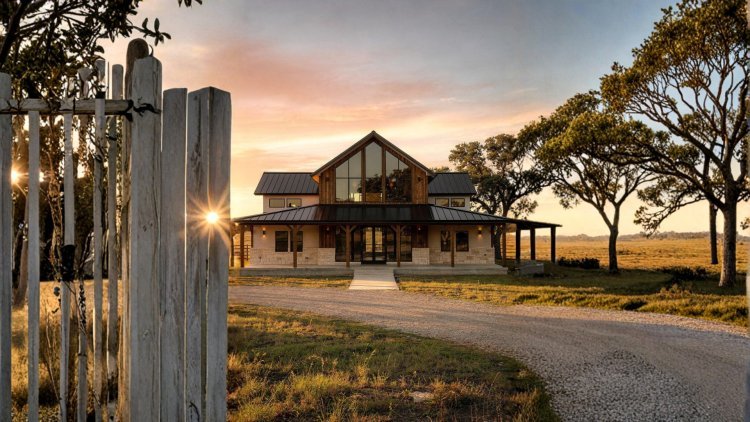
Barndominiums have taken Texas by storm — and for good reason. These hybrid structures blend the durability of a metal agricultural building with the comfort and style of a modern home, creating an increasingly popular housing solution across the state. Texas's wide-open spaces, relaxed zoning regulations in many rural areas, and strong DIY culture make it the perfect environment for the barndo movement.
DIY Friendly Construction
Many barndo kits are designed for partial or full DIY construction, helping owners reduce labor expenses that often account for a major share of traditional home costs. Pre-engineered metal building systems include detailed assembly plans, making them attractive to skilled homeowners who want greater control over their project budget.
Unparalleled Customization
From expansive open-concept living spaces to integrated workshops, garages, agricultural storage, and home offices, barndominiums provide flexibility that traditional homes rarely match. Whether your lifestyle requires equipment storage, hobby space, livestock support, or multi-purpose family living, a barndo can be tailored around those needs.
No two barndominiums are built — or priced — exactly alike. Understanding the major cost drivers before you break ground is essential to avoiding budget overruns and disappointment. Below are the six most critical variables that will shape the total investment required for your Texas barndo project.
Proximity to major cities, local labor market availability, county permitting requirements, and prevailing land prices all significantly affect total project costs. Urban-adjacent properties often command premium pricing for both land and skilled tradespeople.
Larger structures naturally require more materials and labor. However, economies of scale often apply, meaning the cost per square foot typically decreases as total size increases, rewarding owners who plan for future growth from the start.
Metal siding gauge, roofing type, insulation levels, windows, doors, flooring, cabinetry, and countertops all influence cost. Upgrading from basic to premium finishes alone can add $50–$100 per square foot.
Hiring a full-service general contractor offers convenience but usually comes at the highest cost. Hybrid DIY approaches and specialized barndo builders can provide meaningful savings when planned correctly.
Land clearing, grading, soil testing, septic installation, well drilling, and utility hookups are frequently underestimated expenses. In rural Texas, site preparation can range from $15,000 to $50,000+ depending on terrain and infrastructure needs.
Key Factors Influencing Barndo Costs in Texas
Location & Land
Size & Square Footage
Materials & Finishes
Labor Approach
Site Preparation
Texas barndominium costs span a wide spectrum depending on the build tier you're targeting. The figures below represent all-in estimates including shell, foundation, mechanical systems (HVAC, plumbing, electrical), and interior finishes — but typically excluding land purchase and site preparation.
Professional construction, drywall, quality flooring, mid-grade fixtures, and efficient HVAC systems.
Typical allocation of a Texas barndominium construction budget
Site-specific conditions — particularly rural properties requiring wells, septic systems, extensive grading, or utility extensions — can significantly increase the Site Prep & Utilities portion of the budget beyond these typical allocations.
Average Barndo Costs Per Square Foot in Texas
Mid-Range Build
Estimated Cost Breakdown
Texas is not a monolithic market. Costs vary dramatically across regions based on labor demand, land prices, climate risk, and permitting complexity.
High demand and strong labor competition push costs upward. Suburban acreage builds dominate this region.
Rapid growth and land scarcity drive premium pricing. Suburban fringe areas offer better value.
Hurricane-resistant engineering and flood-zone requirements increase structural costs significantly.
Low land cost but higher logistics expenses due to remote material delivery and labor fluctuations.
Rural Texas offers the strongest value-to-cost ratio with lower land prices, simpler permitting, and flexible zoning across East Texas, Panhandle, and Hill Country regions.
Texas Barndo Cost Comparison: Regional Insights
North Texas — DFW Metroplex
Central Texas — Austin & San Antonio
South Texas — Gulf Coast
West Texas — Permian Basin
Rural Texas — Best Value Region
With a solid understanding of costs and regional dynamics, the path forward is about structured preparation before committing capital. Follow these steps to avoid costly mistakes and ensure a smooth build.
Choose contractors with proven barndominium or steel building experience. Request at least three itemized bids, check references, verify licensing, and review completed projects. Membership in industry groups like NFBA is a strong credibility indicator.
Include land, grading, utilities, septic or sewer, permits, driveway, landscaping, and a 10–15% contingency. These “soft costs” are the most common source of budget overruns.
Pre-engineered kits can reduce costs and speed up construction. Compare manufacturers carefully and evaluate what is included in engineering, delivery, and assembly documentation before committing.
DIY can reduce costs by 20–40%, but only if you realistically assess your skills. Many owners self-complete finishes while hiring professionals for structural and mechanical systems.
Engage lenders experienced in barndominium or rural construction loans early. Appraisal challenges are common, so pre-qualification helps avoid financing delays after land purchase.
A short planning session with an experienced barndo consultant can save tens of thousands by identifying design, site, or budgeting issues before construction begins.
Always confirm permit requirements with your county before purchasing land. Rural counties may have minimal rules, while ETJ areas near cities enforce full residential codes.
Building Your Dream Barndo in Texas: Next Steps
Research and Vet Local Builders
Factor in All True Costs Upfront
Explore Pre-Fab Kit Options
Evaluate DIY Potential Honestly
Secure Financing Early
Pro Tip
Permitting Note
What's Your Reaction?