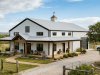
Barndominium Builder Guide
The Hidden Risks of Generic Construction
Barndominiums are not simply oversized sheds with drywall. They are sophisticated hybrid structures that demand a builder fluent in both commercial-grade metal shell engineering and the full spectrum of residential interior requirements — two disciplines that rarely overlap in a typical contractor's resume.
!
Critical Builder Risk
Metal Buildings Require Specialized Experience
A barndominium sits at the intersection of two construction worlds: engineered steel shell systems and fully finished residential living spaces. A builder must understand both. When either side is handled incorrectly, the result can be moisture problems, energy inefficiency, code issues, or expensive repairs hidden behind finished walls.
Steel Shell Knowledge
Proper framing, sealing, penetrations, thermal breaks, and moisture control.
Residential Build-Out
Interior framing, HVAC, plumbing, electrical, insulation, and code compliance.
01
Why General Builders Fall Short
Most general contractors are trained to build wood-framed homes. When they take on a barndominium, they frequently underestimate the unique challenges of a steel envelope: improper insulation strategies that lead to chronic condensation, moisture infiltration through unsealed penetrations, and unfamiliarity with residential building codes as they apply to metal structures.
Common Failure Points
Condensation problems
Poor insulation strategy
Unsealed penetrations
Code misinterpretation
02
The True Cost of Getting It Wrong
The consequences of hiring the wrong builder are rarely immediate. Structural deficiencies, thermal performance failures, and code violations can stay hidden — tucked behind finished walls or buried in mechanical systems — until months or years after move-in.
Expensive Repairs Later
By then, remediation costs can dwarf the original savings that attracted you to the cheaper bid in the first place.
Mold Remediation
Re-Insulation
!
High-Stakes Decision
Verified Barndominium Experience Is Non-Negotiable
The stakes are high: selecting a builder without verified barndominium experience is the single most common — and most expensive — mistake new owners make. A cheaper bid can quickly become the most expensive option if the builder does not understand metal building envelopes, moisture control, insulation strategy, and residential code requirements.
Barndominium Builder Preparation
Step 1: The Pre-Meeting Essential
Before You Talk to a Single Builder
Before you schedule your first consultation with any contractor, there is one non-negotiable prerequisite: you must have detailed, professionally drawn blueprints in hand. Walking into a builder meeting without plans is like asking a surgeon to quote a procedure without reviewing your medical history — the numbers will be meaningless, and the conversation will be built on assumptions.
01
01
Project Foundation
Blueprints Are Your Project's DNA
Professional architectural plans do far more than show room layouts. They define critical structural details including roof pitch and load paths, post and column spacing for post-frame systems, utility routing and rough-in schematics, window and door header specifications, and insulation requirements by climate zone.
Why It Matters
Every one of these elements directly affects the builder's scope of work — and therefore their price.
02
02
Budget Protection
Without Plans, Builders Are Guessing
A bid without blueprints is not a real bid. It is a rough estimate riddled with assumptions that will be reconciled — almost always unfavorably — through change orders once construction begins.
Avoid Costly Change Orders
Vague allowances and undefined specifications are the root cause of the majority of barndominium budget overruns.
Better Bid Comparisons
Detailed plans eliminate ambiguity and give every bidder the same baseline, making your comparisons meaningful and your budget defensible.
Plans Enable Proper Permitting
Most municipalities require stamped architectural or engineering drawings before issuing a building permit for a residential structure. Attempting to break ground without approved plans is a legal risk and a practical impossibility in most jurisdictions.
Serious Client Signal
Investing in professional plans upfront streamlines the permitting process and signals to quality builders that you are a serious, prepared client.
Approved plans help move your project from vague idea to buildable, financeable, permit-ready construction package.
Barndominium Builder Vetting
Step 2: The Truth About Experience
Vetting Real-World Expertise
Every builder will tell you they can build a barndominium. Very few have actually done it well — and the difference is measurable. When evaluating a contractor's experience, go beyond their word and demand verifiable evidence of completed work.
Ask for a Portfolio of Completed Projects
Request documentation of at least three completed barndominium builds — not metal workshops, pole barns, or agricultural structures. There is a meaningful difference between erecting a steel shell and integrating a full residential interior with finished ceilings, trim carpentry, and livable mechanical systems.
Ask to see photos of interiors as well as exteriors, and specifically look for evidence of HVAC integration, interior finishing quality, custom millwork, and bathroom or kitchen completions.
Completed barndominiums
Interior photos
HVAC integration
Custom millwork
Kitchen & bath completions
Prioritize Seasoned References
A reference from a homeowner who moved in last month is of limited value. You want to speak with owners who have lived in their barndominium for at least one full year — ideally through a complete seasonal cycle.
Ask Them Directly
How did the home perform in summer heat and winter cold? Were there any moisture or condensation issues? Did the builder respond promptly to any warranty concerns? Was the final cost close to the original bid?
One-year minimum reference
Seasonal performance
Warranty response
Final cost accuracy
Visit an Active Job Site
If at all possible, ask the builder for permission to visit a project currently under construction. A job site visit reveals more than any portfolio photo ever could. Look for organization, cleanliness, and material storage practices — signs of a disciplined operation.
Observe how the crew handles insulation installation and vapor barriers. Ask the site supervisor about their condensation management strategy. What you see in an active site is exactly what you will get on your own build.
What to Look For On Site
Organization, cleanliness, material storage, insulation quality, vapor barrier handling, and a clear condensation management strategy.
Job-site organization
Material storage
Insulation installation
Vapor barriers
!
Verification Rule
Experience Must Be Proven, Not Promised
A builder’s confidence is not enough. Completed residential barndominiums, seasoned homeowner references, and active job site quality are the evidence that separates real expertise from sales talk.
Barndominium Builder Vetting
Step 3: Technical Vetting Questions
What to Ask Before You Sign Anything
A truly experienced barndominium builder will not be rattled by technical questions — they will welcome them. The following categories cover the most critical dimensions of barndominium construction competency. Use these as your interview framework during every contractor meeting.
01
01
Structure & Code
Core Construction Competency
A
Framing System
Ask specifically whether the builder specializes in post-frame construction, rigid steel bolt-up framing, or hybrid wood-steel systems. Each has distinct implications for insulation methods, interior wall attachment, and long-term structural performance.
Red Flag
A builder who cannot clearly articulate the advantages and trade-offs of each framing system likely lacks the depth of experience you need.
B
Code Compliance
Barndominiums occupy a gray zone in many building departments — historically permitted as agricultural structures with far less oversight than residential builds. Ask your builder to demonstrate specific familiarity with residential mechanical, electrical, and plumbing codes as they apply in your county.
Why This Matters
Cutting corners under agricultural code classifications can make your home difficult or impossible to finance, insure, or resell.
02
02
Performance & Professionalism
Long-Term Risk Control
C
Thermal & Moisture Performance
Steel is an exceptional thermal conductor — meaning it rapidly transfers heat and cold from the exterior to the interior. Ask how the builder manages thermal bridging at columns, girts, and purlins.
Equally important is their strategy for preventing condensation beneath metal roofing, a leading cause of hidden moisture damage in barndominiums.
What a Knowledgeable Builder Should Explain
Spray foam, continuous insulation, and ventilated roof assemblies each have valid applications — a knowledgeable builder will explain their preferred system and why.
D
Licensing, Insurance & Appraisals
Request proof of current contractor licensing and general liability insurance before any conversation about price. Additionally, ask how the builder has handled lender-required appraisals on past barndominium projects.
Sign of Professional Maturity
Barndominiums can be difficult to appraise using standard comparable sales data, and an experienced builder will have a process for working with appraisers and lenders to facilitate financing.
?
Interview Rule
Strong Builders Welcome Technical Questions
If a contractor becomes vague, defensive, or dismissive when asked about framing systems, code compliance, moisture control, licensing, insurance, or appraisals, treat that as a serious warning sign before signing anything.
Conclusion
Your Path to a Successful Build
Finding the right barndominium builder is not about finding the cheapest option or the most persuasive salesperson. It is about finding a technically skilled partner who communicates openly, documents everything, and has a proven track record of delivering finished homes — not just steel shells.
Follow these principles before making your final decision
01
1
Clarity First
Prioritize Transparency
Clear, proactive communication around material allowances, change-order triggers, and payment schedules is a hallmark of professional maturity.
Put It in Writing
Any builder who resists documenting these processes before a contract is signed is comfortable leaving ambiguity in their favor. Demand clarity upfront — it will protect your budget and your relationship throughout the build.
02
2
Compare Carefully
Avoid the Lowest Bid Trap
When comparing proposals, insist on detailed, line-item bids from every contractor. A bid that is significantly lower than the others is almost never a bargain.
Compare Apples to Apples
Low bids often hide exclusions and underspecified allowances that are later reconciled through costly change orders. Every proposal should cover the same scope, materials, and performance standards before price becomes meaningful.
Build a True Partnership
The best barndominium outcomes come from a relationship built on mutual trust, shared expectations, and technical confidence — not just the lowest number on a page.
Verify Before You Hire
Verify credentials independently. Visit active job sites. Speak with past clients candidly. A builder who welcomes scrutiny and answers technical questions with depth and specificity is someone worth hiring.
That partnership is the foundation your barndominium will be built on.
!
Take Action Today
Start Building Your Shortlist
Gather your blueprints, prepare your vetting questions, and begin building a shortlist of proven barndominium specialists in your region. The right builder is out there — and now you know exactly how to find them.