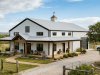
40×60 Barndominium Guide
The 2,400 Square Foot Sweet Spot
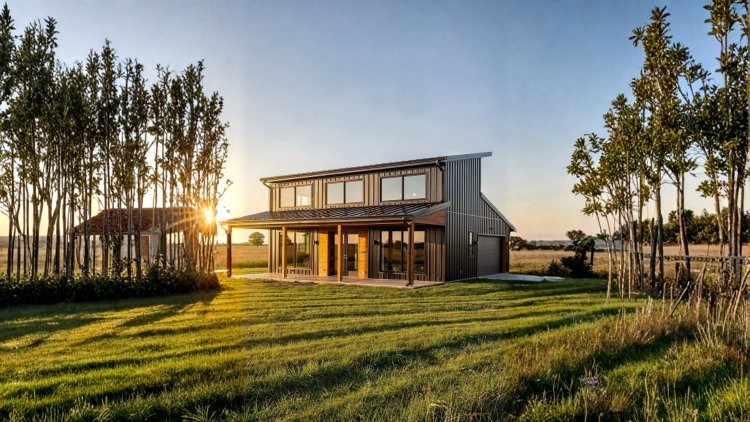
When it comes to barndominium sizing, 40×60 has emerged as the true “Goldilocks” footprint — large enough to accommodate the full complexity of modern family life, yet compact enough to remain manageable in terms of construction cost, timeline, and ongoing maintenance.
Goldilocks Footprint
2,400
Total Square Feet
At exactly 2,400 square feet, this layout provides ample room for 3 to 4 bedrooms, multiple bathrooms, generous common areas, and a dedicated workshop or garage bay — all under one unified roof structure.
01
Size Strategy
Why 2,400 sq. ft. Works
This footprint strikes the ideal balance between ambition and practicality. It is large enough to feel genuinely spacious — think open-concept kitchens that flow into living rooms, bedrooms with real closet space, and shop areas that can accommodate full-size equipment — yet small enough that a single steel building package remains cost-effective.
Maximum Livability Per Dollar
Compared to a 30×50 layout at 1,500 sq. ft. or a sprawling 50×80 layout at 4,000 sq. ft., the 40×60 delivers a highly efficient balance of usable space, affordability, and buildability.
02
02
Space Planning
Typical Room Allocations
Primary Suite
300–400 sq. ft. with walk-in closet and en suite bath.
Bedrooms 2 & 3
150–200 sq. ft. each, ideal for children or guests.
Open Living & Kitchen
600–800 sq. ft. of connected, airy common space.
Practical Support Spaces
The 40×60 footprint gives you enough room to include serious support spaces without sacrificing daily livability. This is where the layout becomes especially valuable for rural owners, hobbyists, and families who need both living area and functional storage.
Workshop / Garage Bay
600–900 sq. ft., enough for 2–3 vehicle bays or a full fabrication shop.
Bathrooms & Utility
200–300 sq. ft. covering laundry, mechanical systems, storage, and support functions.
2,400
Total Square Feet
Highly adaptable, fully livable footprint.
3–4
Bedrooms
Comfortably accommodates growing families.
2–3
Garage Bays
Full-size workshop or vehicle storage.
40%
Cost Savings
Potential savings vs. comparable stick-frame construction.
40
Final Takeaway
The 40×60 Footprint Delivers Practical Abundance
A 2,400 sq. ft. barndominium gives owners the flexibility to combine comfortable living, practical storage, workshop capability, and long-term adaptability without drifting into oversized, expensive-to-maintain territory.
40×60 Hybrid Barndominium Design
The Hybrid Revolution: Living + Working
The defining characteristic of a great 40×60 barndominium floor plan is not the number of bedrooms or the size of the kitchen island — it is the seamless, intelligent integration of professional-grade workspace with genuinely comfortable residential quarters. This hybrid model represents a fundamentally different way of thinking about what a home can be, and getting the layout right is the single most important design decision you will make.
01
Transition Zone
The Mudroom Bridge
A dedicated transitional mudroom zone is the unsung hero of every successful hybrid barndominium. This buffer space — typically 80 to 150 square feet — sits between the shop floor and the living area, serving as a decontamination zone for grease, sawdust, and mud.
Why This Space Matters
Strategically placed utility sinks, built-in boot storage, and separate exterior entries ensure that the industrial half of your home never bleeds into your sanctuary.
80–150 sq. ft.
Utility Sink
Boot Storage
Separate Entry
02
02
Residential Comfort
Open-Concept Living Zones
With no load-bearing interior walls required in a steel-frame structure, the residential portion of your 40×60 barndominium can achieve a level of openness that traditional homes simply cannot.
Bigger Than the Footprint Feels
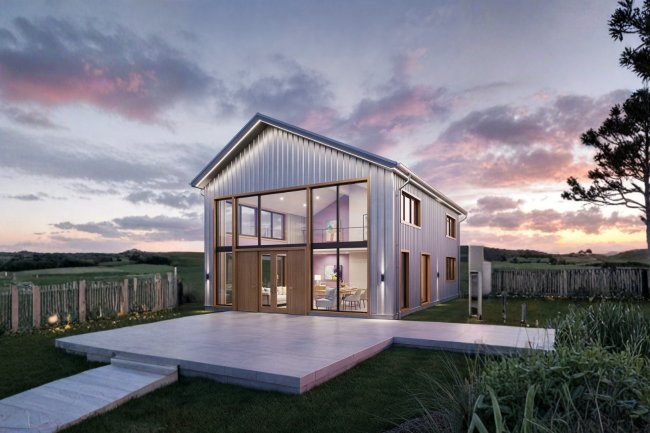
Vaulted ceilings soaring 14 to 20 feet overhead, combined with expansive kitchen-living-dining continuums, create an atmosphere that feels far larger than the square footage suggests.
Zone Without Walls
Strategic placement of kitchen islands and furniture groupings defines zones without closing them off.
Workshop Efficiency at Scale
Allocating 600 to 1,000 square feet of your footprint to a workshop or garage yields a professional-caliber workspace that most dedicated shop buildings cannot match when built separately.
Professional Shop Features
With 14-foot roll-up doors, epoxy-coated floors, integrated electrical panels for 240V equipment, compressed air lines run through the walls, and overhead storage lofts, the shop half becomes a serious working asset.
Force Multiplier
The workshop can support trades, hobbies, fabrication, vehicle storage, or a small business operation without requiring a separate outbuilding.
+
Hybrid Design Principle
Separate the Mess, Connect the Function
The best 40×60 hybrid barndominium layouts do not simply place a shop beside a house. They create a controlled transition between work and living, preserve the openness of residential zones, and equip the workshop to perform like a true professional space.
40×60 Barndominium Design Guide
Design Deep Dive: The Anatomy of a Build
Understanding the structural and architectural elements that define a 40×60 barndominium is essential before committing to any floor plan. Each design decision — from the framing system to the finish materials — carries cascading implications for cost, livability, energy performance, and long-term durability.
The best barndominiums are those where every architectural flourish serves a functional purpose as much as an aesthetic one.
01
01
Structure + Vertical Space
Structural Integrity: Steel Frame Fundamentals
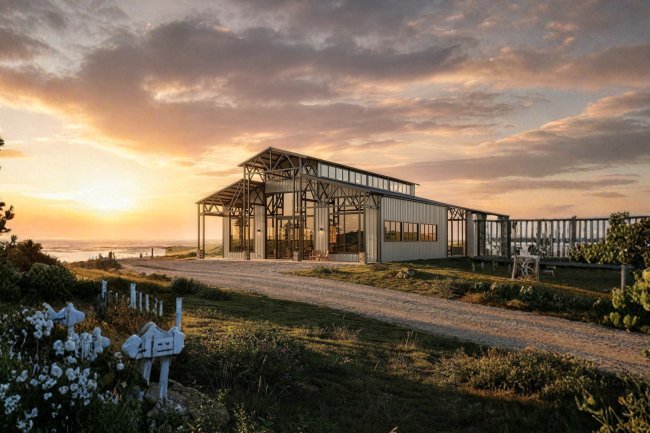
The post-frame or rigid-frame steel structure is the backbone of every barndominium. A 40×60 rigid-frame system uses engineered steel bents — typically spaced 20 feet apart — that transfer roof loads directly to the foundation without requiring interior load-bearing walls. This is what enables those sweeping, open interiors.
Frame Height, Roof Pitch & Insulation
Standard frame heights range from 10 to 16 feet at the eave, with roof pitches from 2:12 to 6:12 depending on snow load requirements and aesthetic preference. Modern spray-foam insulation applied directly to the interior of steel panels delivers R-values of 21 to 49, dramatically improving thermal performance and vapor control.
The Vertical Advantage: Lofts & Upper Levels
With eave heights of 14 feet or more, a partial second-floor loft above the residential wing can add 400 to 800 square feet of conditioned space — perfect for a home office, guest suite, playroom, or private reading retreat — at a fraction of the cost of expanding the building's footprint.
20 ft Bent Spacing
10–16 ft Eaves
2:12–6:12 Roof Pitch
400–800 sq. ft. Loft
02
Architectural Flourishes That Pay Off
The strongest 40×60 barndominium designs use architectural details that improve both appearance and performance. These upgrades do more than make the home look better — they expand usable space, reduce energy loads, strengthen durability, and reinforce the industrial-meets-residential character of the build.
Wraparound Porches
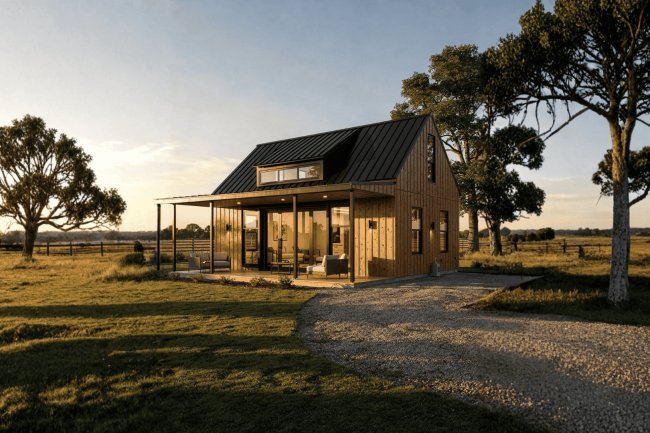
A 10-foot-deep wraparound porch on two or three sides dramatically expands outdoor living space and provides critical shade that reduces cooling loads — often recovering its cost in energy savings within 5 to 7 years.
Floor-to-Ceiling Glass
Oversized fixed-glass panels or folding glass wall systems on south or east-facing elevations flood the interior with natural light, reduce daytime lighting costs, and create a strong connection between indoor living and the surrounding landscape.
Industrial-Chic Finishes
Exposed structural steel, polished concrete floors, reclaimed wood accent walls, and black-iron pipe fixtures celebrate the building's industrial bones rather than concealing them.
Metal Roof Upgrades
Standing-seam metal roofing in Galvalume or architectural-grade painted finishes defines the barndominium silhouette while delivering 40 to 60 years of service life with minimal maintenance.
+
Design Principle
Make Every Design Choice Work Twice
A successful 40×60 barndominium does not separate structure from style. The steel frame creates open space, the vertical volume unlocks loft potential, and exterior upgrades like porches, glass, and standing-seam roofing improve comfort, energy performance, durability, and curb appeal at the same time.

40×60 Barndominium Build Planning
Practical Considerations for the Builder
Even the most inspired floor plan will fail in execution if the practical, logistical, and financial groundwork isn't laid with precision. Building a 40×60 barndominium is a complex, multi-phase undertaking that rewards careful pre-construction planning and punishes improvisation.
The builders who end up with the homes they envisioned are almost universally those who thought through zoning, costs, and site logistics before the first post was set.
01
01
Interior Flow Strategy
Smart Zoning: Separating Life & Work
Effective interior zoning is the art of keeping your floor plan functional as daily life plays out in real time. The most successful 40×60 layouts place high-traffic common areas — kitchen, dining, living room — in the center or front of the residential wing.
Use Common Areas as Buffers
These spaces can act as a buffer between the private bedroom zone at the rear and the workshop at the far end.
Protect the Primary Suite
Master suites should be positioned away from both the shop for noise and vibration control and the street-facing elevation for privacy.
Bathrooms and utility rooms can also serve as acoustic buffers. The path from the shop to the kitchen should pass through the mudroom, never directly through a bedroom hallway.
02
02
Budget Efficiency
Cost Optimization: Finished vs. Unfinished Space
The economic genius of the barndominium model lies in the dramatic cost differential between finished residential square footage and raw, functional shop space.
Finished Living Area
Finished living area in a barndominium typically runs $100 to $175 per square foot, depending on finish level and regional labor markets.
Workshop / Garage Space
Workshop or garage square footage can be built for $35 to $65 per square foot with an unfinished concrete floor, insulated metal walls, and basic electrical service.
By maximizing the shop footprint and concentrating premium finishes in the living area, builders can achieve an overall cost of $85 to $125 per square foot across the full 2,400 sq. ft.
Site Readiness: Foundation, Utilities & Access
No amount of beautiful design compensates for poor site preparation. A 40×60 barndominium typically sits on a monolithic concrete slab — 4 to 6 inches thick with thickened edges and internal grade beams — poured over properly graded, compacted fill.
Utilities Before Concrete
Plumbing rough-in, electrical conduit stub-outs, radiant floor heating loops, and propane or natural gas line entries must be embedded before the slab is poured.
Access Planning
Plan for a minimum 20-foot-wide gravel drive capable of supporting concrete trucks, steel delivery semi-trailers, and crane equipment.
Septic placement, well drilling, and power line runs must be coordinated with county permitting requirements before construction begins.
A
Key Permitting Checkpoints
Confirm Before You Build
Verify agricultural, residential, or mixed-use zoning designation before purchasing land.
Confirm county setback requirements, typically 25–50 ft from property lines.
Obtain building permit, septic permit, and electrical permit as separate applications.
Schedule foundation inspection before pouring and framing inspection before closing in.
B
Budgeting Rule of Thumb
Where the Money Usually Goes
Land & Site Prep: 15–20% of total project budget.
Steel Building Package: 20–25% of total budget.
Foundation & Concrete: 8–12% of total budget.
Interior Finish: 35–45% of total budget.
Mechanical, Electrical, Plumbing: 10–15% of total budget.
!
Builder Takeaway
Plan the Build Before You Build the Plan
A successful 40×60 barndominium depends on more than a beautiful floor plan. Smart zoning keeps daily life functional, cost planning separates premium living space from economical shop space, and site readiness ensures the foundation, utilities, permits, and delivery access are ready before construction begins.
Your Custom Vision Awaits
The 40x60 barndominium floor plan is not a fixed template — it is a starting framework that exists to be shaped, refined, and personalized until it perfectly reflects the way you intend to live and work. No two builds are ever the same, and that's precisely the point. The floor plan you eventually hand to your contractor should be as unique as your property, your family, and your ambitions.
Begin by listing every function your barndominium must serve — number of bedrooms, workshop requirements, vehicle storage needs, home office space, guest accommodations, and any future-use spaces. This "program document" becomes the brief that drives all design decisions and prevents costly plan changes mid-build.
02
Engage a Barndominium-Specialized Architect or Designer
Not all architects are created equal for this building type. Seek out designers with a specific portfolio of post-frame or metal building residential projects. They will understand the structural system, the insulation strategies, and the interior detailing that separates a great barndominium from a disappointing one.
03
Secure Engineered Drawings & Material Lists
Once your floor plan is finalized, commission fully engineered structural drawings stamped by a licensed engineer in your state. Simultaneously, work with your steel building manufacturer to finalize the building package — frame, cladding, roofing, windows, and doors — so you have a complete material list for accurate contractor bidding.
04
Break Ground with Confidence
With permits secured, a prepared site, an engaged general contractor or owner-builder plan, and a fully detailed set of drawings in hand, you are ready to begin. The average 40x60 barndominium takes 6 to 14 months from ground-breaking to move-in — a timeline that rewards patience and meticulous pre-construction planning at every step.
!
The bottom line
A well-designed 40x60 barndominium delivers more livable space, more functional workspace, greater structural durability, and lower cost per square foot than virtually any comparable residential building type available today. Your dream retreat is closer — and more attainable — than you think. Start with the floor plan, and let everything else follow.