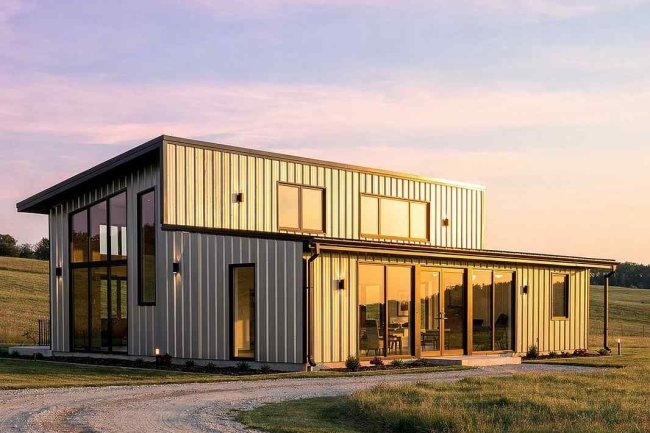
3D VISUALIZATION
Why So Many Buyers Build Blind — and How to Stop
The Visualization Gap
You've found the land. You've chosen a barndominium. But when you try to picture exactly what it will look like — the roofline, the open kitchen, the wraparound porch — your imagination hits a wall.
That's the challenge many buyers face. Traditional 2D floor plans are valuable, but they often fail to answer the questions that matter most:
How tall will the ceilings feel?
Will natural light enter the way I expect?
Does the layout actually flow in real life?
This is where 3D renderings change the game. They transform flat blueprints into realistic visual experiences, allowing you to explore your future home long before construction begins.
The 3D Advantage
✓ Real Scale & Proportion
✓ Material & Color Evaluation
✓ Catch Layout Issues Early
✓ Better Builder Communication
The Core Problem
Most homeowners approve floor plans they can't fully visualize — leading to mid-build change orders, budget overruns, and regret over design decisions that could have been identified much earlier.
The 3D Solution
Photorealistic renderings provide confidence before construction begins, helping homeowners, designers, and builders align around a shared vision from day one.
WHY IT MATTERS
3D renderings have become a standard part of modern barndominium planning because they eliminate costly surprises, improve decision-making, and ensure everyone involved shares the same vision before construction starts.
3D VISUALIZATION GUIDE
What Exactly Is a 3D Rendering?
A 3D rendering is a digitally generated image — or collection of images — that shows your barndominium in realistic three-dimensional detail. Designers create a virtual model of your floor plan and apply textures, lighting, materials, landscaping, and finishes that closely reflect real-world conditions, allowing you to see the finished home before construction begins.
01
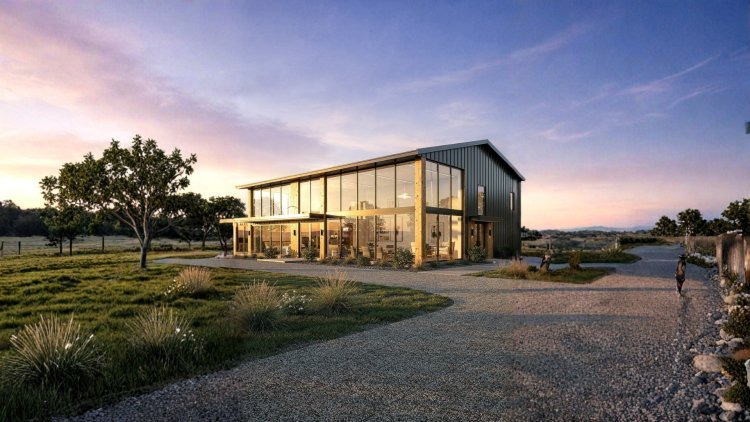
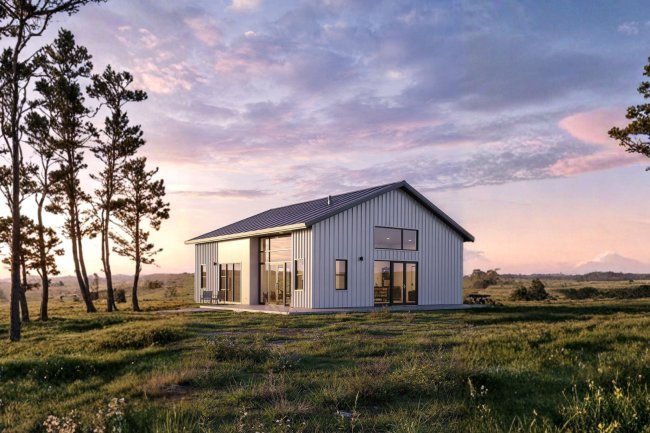
Exterior Renderings
Visualize the complete exterior of your barndominium, including rooflines, siding materials, windows, doors, porches, driveways, and landscaping. Perfect for evaluating curb appeal and overall site placement.
02
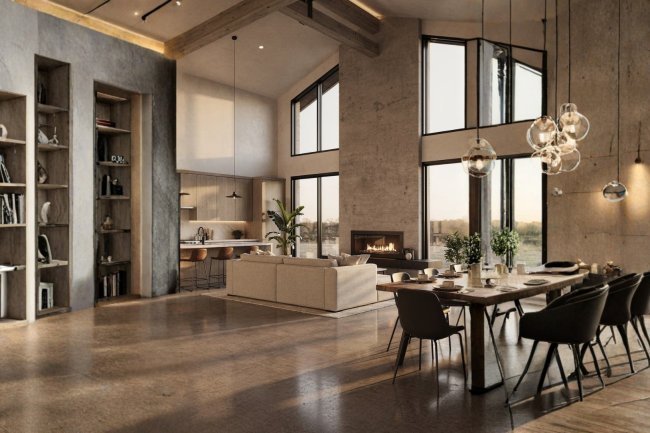
Interior Renderings
Explore room layouts, ceiling heights, natural lighting, kitchen designs, and open-concept living areas. These views help you understand comfort, scale, and furniture placement before making final decisions.
03
3D Floor Plan Views
Gain a bird's-eye perspective of the entire home layout in three dimensions. These views make it easier to understand room relationships, circulation patterns, and overall floor plan flow than traditional blueprints.
PLANNING ADVANTAGES
Why 3D Renderings Matter for Barndominium Planning
Barndominiums feature soaring ceilings, expansive open spans, mixed-use spaces, and industrial-meets-rustic aesthetics that are often difficult to visualize on a traditional 2D floor plan. That's why 3D renderings have become one of the most valuable planning tools available to modern barndominium buyers.
01
Validate Your Vision Early
Renderings help confirm that the design you approved on paper actually matches your expectations. Many homeowners discover they want additional windows, a larger porch, or a different roofline before construction begins.
02
Align With Your Builder
A 3D rendering creates a shared visual reference for homeowners, contractors, and suppliers, reducing misunderstandings, minimizing change orders, and improving project coordination.
03
Support Permits & Financing
Detailed visual documentation can strengthen permit submissions and lender applications, helping reviewers better understand the proposed project and potentially speeding up approvals.
04
Make Confident Material Decisions
Compare siding options, roof colors, stone accents, windows, and exterior finishes side by side. Renderings eliminate guesswork and help you choose materials with confidence.
PLANNING COMPARISON
3D Renderings vs. 2D Floor Plans: What's the Real Difference?
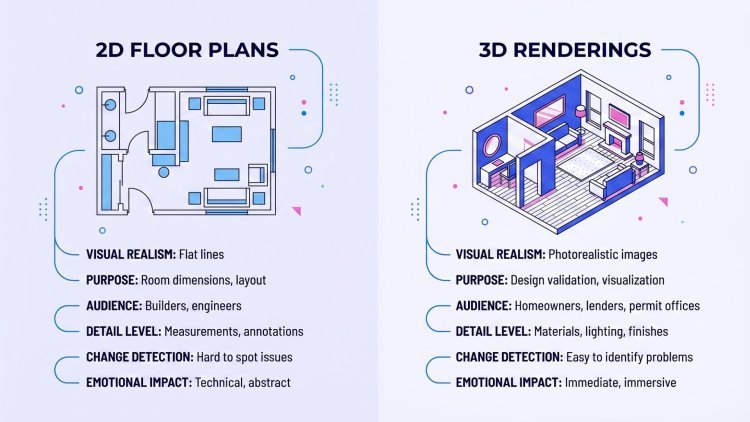
Both tools play an important role in barndominium planning, but they answer very different questions. A floor plan focuses on dimensions, structure, and construction details, while a rendering focuses on visualization, design decisions, and overall feel. Understanding how they work together helps homeowners make smarter decisions throughout the building process.
Shows
Dimensions, wall locations, room layouts, structural details, and construction documentation.
Best For
Permits, engineering reviews, contractor bidding, and construction planning.
Answers
“How will this home be built?”
Shows
Realistic materials, lighting, colors, furniture placement, and overall visual appearance.
Best For
Design validation, homeowner decisions, presentations, and visual communication.
Answers
“What will this home actually look and feel like?”
The Most Successful Projects Use Both
A precise 2D floor plan serves as the technical foundation, while 3D renderings act as the visual communication tool. Together they reduce uncertainty, improve decision-making, and help homeowners, designers, and builders stay aligned from concept to construction.
Professionally designed floor plans provide the ideal starting point for creating accurate and realistic renderings.
GETTING STARTED
How to Get 3D Renderings for Your Barndominium
Ready to see your barndominium come to life? Whether you're starting from scratch or refining an existing design, following a structured process helps ensure your renderings accurately reflect your vision and become a valuable planning tool throughout the build.
01
Start With a Professional Floor Plan
Every rendering begins with a quality floor plan. Professionally designed plans provide the dimensions, layouts, and structural details needed to create an accurate 3D model. The better the plan, the better the rendering.
02
Customize Your Design Details
Finalize exterior materials, roof styles, window configurations, colors, landscaping preferences, and interior finishes. Detailed inputs produce more realistic and decision-ready renderings.
03
Commission Your 3D Renderings
Architectural visualization studios, freelance 3D artists, and some plan providers can transform your approved floor plan into photorealistic renderings. Most projects are completed within a few days to two weeks.
04
Review, Revise & Finalize
Carefully evaluate every detail and request revisions where needed. Adjusting a digital model is significantly easier and less expensive than changing walls, windows, or finishes after construction begins.
Your Rendering Becomes Your Visual Blueprint
Once approved, your 3D renderings serve as the visual reference point for homeowners, designers, builders, and suppliers — helping everyone stay aligned from planning through construction.
EXPERT GUIDANCE
Practical Tips for Getting the Most from Your Renderings
01
Before You Commission Renderings
Lock Down Your Floor Plan
Renderings are only as accurate as the plans they're based on. Use a professionally drafted floor plan rather than sketches or rough concepts.
Gather Visual Inspiration
Save photos of barndominiums, interiors, materials, kitchens, and exterior styles you love to guide the rendering artist.
Include Site Conditions
Share information about slopes, trees, views, driveway access, and solar orientation to create more realistic exterior renderings.
02
While Reviewing Renderings
Evaluate Proportions Carefully
Assess ceiling heights, window sizing, room scale, porch depth, and overall spatial comfort before final approval.
Involve Your Builder Early
Share renderings with your contractor to identify potential construction, engineering, or code-related concerns before they become costly.
Request Multiple Perspectives
Ask for front, rear, and side elevations along with several interior viewpoints to fully understand the design from every angle.
PRO TIP
If you're financing your build, present your 3D renderings alongside your floor plans when meeting with lenders. A complete visual package demonstrates project readiness, improves communication, and can help streamline financing and approval discussions.
READY TO BUILD?
Start With the Right Plan — Then Bring It to Life
3D renderings aren't a luxury reserved for custom architects or high-end builds. For barndominium buyers across the United States, they're one of the most practical planning tools available — helping you visualize your future home, align with your builder, and avoid costly surprises before construction begins.
The best time to make a design change is before the concrete is poured. Renderings give you that opportunity, along with the confidence that comes from knowing exactly what you're building before work starts on site.
01
Start With a Great Plan
Every successful rendering begins with a professionally designed floor plan built for real-world construction.
02
Visualize Every Detail
Transform blueprints into realistic views that help validate layouts, finishes, materials, and design decisions.
03
Build With Confidence
Reduce misunderstandings, avoid expensive revisions, and keep your project aligned from design through construction.
Bring Your Future Barndominium Into Focus
The journey starts with a great floor plan. Barndo Plans offers a curated collection of professionally designed barndominium floor plans built specifically for US construction standards — from efficient single-story homes to expansive multi-bedroom layouts with integrated shop space. Every plan is detailed, accurate, and ready to become the foundation of your 3D renderings.